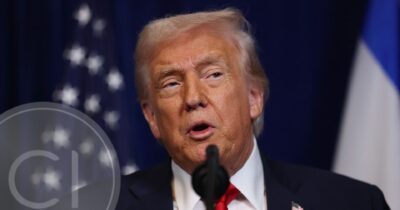
The United States has tightened its immigration policy once again. The administration of Donald Trump has expanded its travel restrictions, reintroducing and broadening a travel ban that now affects nationals from dozens of countries. The new measures, which took effect in early 2026, distinguish between full entry bans and partial visa restrictions.
U.S. officials say the expanded travel ban is aimed at addressing national security concerns, identity verification failures, and high visa overstay rates in the affected countries. The move echoes similar policies implemented during Trump’s first term, but with a wider geographic scope, largely impacting countries in Africa, the Middle East, and the Caribbean.
Nationals from the following countries are subject to a complete suspension of entry into the United States, covering both immigrant and non-immigrant visas, with only narrow exceptions:
Afghanistan, Burkina Faso, Myanmar (Burma), Chad, Equatorial Guinea, Eritrea, Haiti, Iran, Laos, Libya, Mali, Niger, Republic of Congo, Sierra Leone, Somalia, South Sudan, Sudan, Syria, and Yemen.
In addition, individuals traveling on Palestinian Authority-issued or endorsed travel documents are also subject to a full suspension of entry, according to U.S. authorities.
Several other countries are not fully banned but face partial restrictions, which may include the suspension of certain visa categories, reduced visa validity periods, or enhanced screening requirements:
Angola, Antigua and Barbuda, Benin, Burundi, Côte d’Ivoire, Cuba, Dominica, Gabon, The Gambia, Malawi, Mauritania, Nigeria, Senegal, Tanzania, Togo, Tonga, Venezuela, Zambia, and Zimbabwe.
For citizens of these countries, travel to the United States remains possible but is subject to stricter conditions and greater uncertainty.
Turkmenistan is treated as a special case under the updated policy. Restrictions remain in place for immigrant visas, while non-immigrant visa restrictions have been lifted, allowing travel for purposes such as tourism, business, and education.

Source: The New York Times
The expanded travel ban has drawn criticism from human rights organizations and foreign governments, with critics arguing that the policy unfairly targets certain regions and populations. Some affected countries have also signaled possible reciprocal measures against U.S. travelers.
Despite the backlash, the Trump administration has defended the policy, stating that the restrictions will remain until the countries concerned meet U.S. standards on security cooperation and immigration compliance.
Travelers from countries subject to the U.S. travel ban or visa restrictions are strongly advised to check their eligibility before making any travel plans. Nationals of countries under a full ban are generally not eligible for U.S. visas, except in very limited cases such as diplomatic travel or rare humanitarian exemptions, which must be approved by U.S. authorities. For those from countries facing partial restrictions, certain visa categories may still be available, but applicants should expect longer processing times, additional security screening, and stricter requirements. U.S. officials recommend consulting the nearest U.S. embassy or consulate, reviewing official guidance from the U.S. Department of State, and avoiding non-refundable travel bookings until a visa has been formally issued.